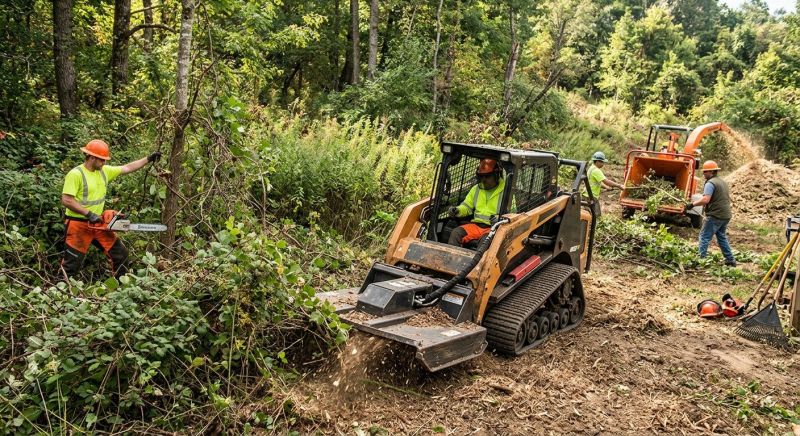
Acreage Clearing in Salt Lake City, UT
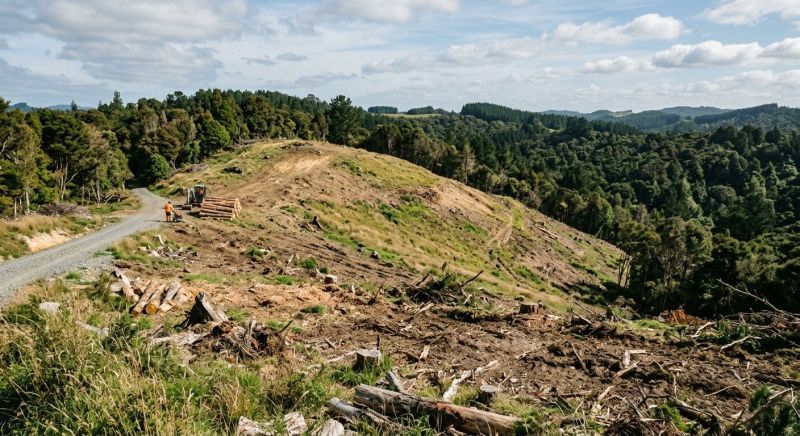
Acreage clearing services involve the removal of trees, brush, and other vegetation to prepare large plots of land for development, farming, or recreational use. This process typically includes grading, stump removal, and debris disposal to create a clean, level surface suitable for construction or landscaping projects. Property owners often seek this service when they need to expand their property, build new structures, or improve land usability, ensuring the space is safe and accessible for future use.
Before requesting acreage clearing, property owners should consider the size and current condition of the land, as well as any local regulations or permits required for vegetation removal. It’s also helpful to understand the types of vegetation present, potential obstacles such as rocks or existing structures, and the intended future use of the land. Clarifying these details can help ensure the clearing process aligns with project goals and adheres to any necessary guidelines.
Many property owners in Salt Lake City, UT look into Acreage Clearing for repairs, replacements, upgrades, and appearance-related improvements.
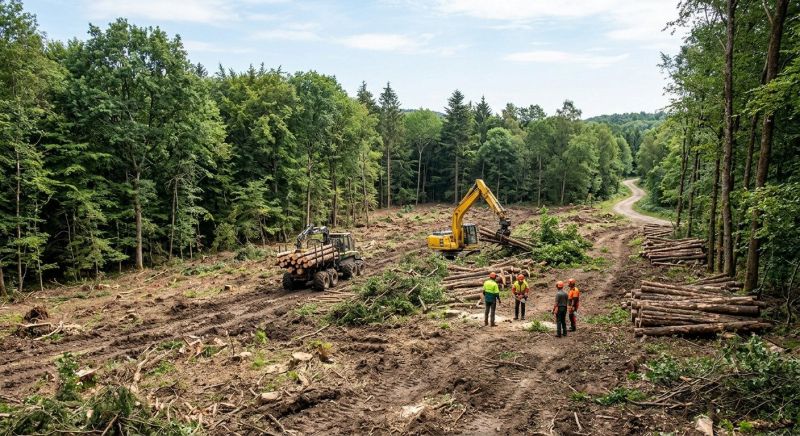
Property Preparation
Acreage clearing prepares land for development, farming, or recreational use.
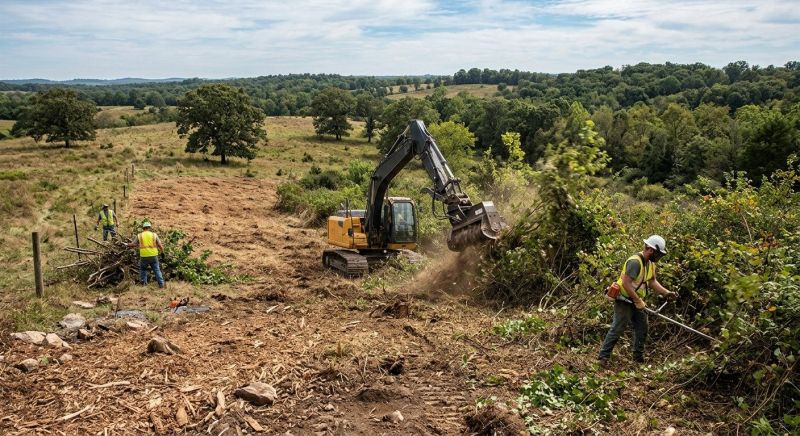
Vegetation Removal
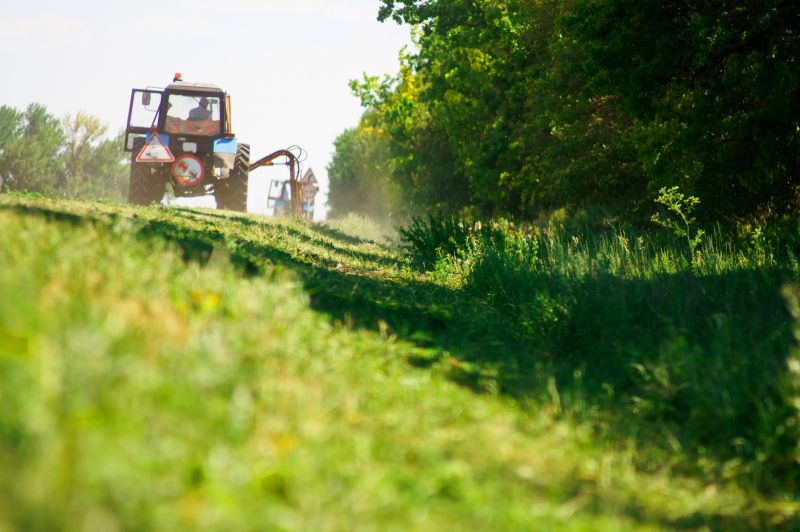
Removing trees, shrubs, and brush to create open, accessible spaces.
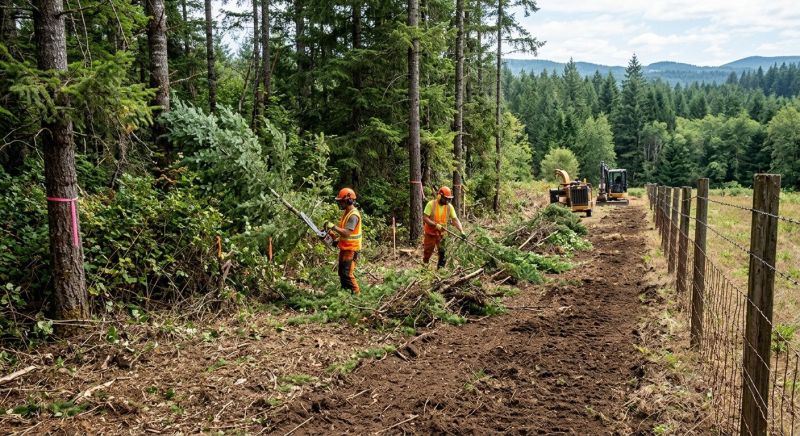
Land Management
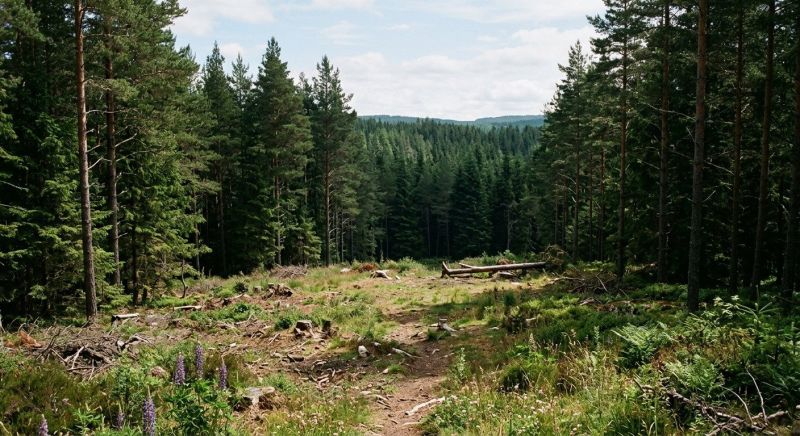
Maintaining clear land for future projects or ongoing property use in salt lake city, ut.
Acreage Clearing in Salt Lake City, UT
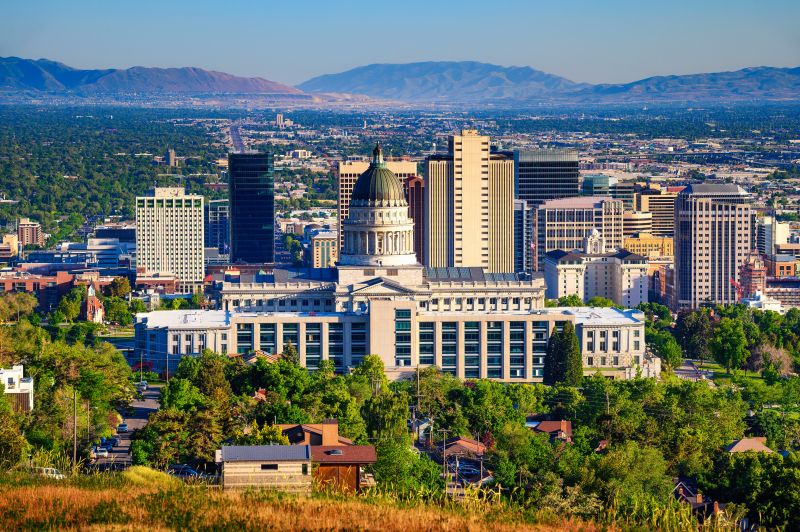
Acreage clearing services involve the removal of trees, brush, and other vegetation to prepare large plots of land for development, farming, or recreational use. This process typically includes grading, stump removal, and debris disposal to create a clean, level surface suitable for construction or landscaping projects. Property owners often seek this service when they need to expand their property, build new structures, or improve land usability, ensuring the space is safe and accessible for future use.
Before requesting acreage clearing, property owners should consider the size and current condition of the land, as well as any local regulations or permits required for vegetation removal. It’s also helpful to understand the types of vegetation present, potential obstacles such as rocks or existing structures, and the intended future use of the land. Clarifying these details can help ensure the clearing process aligns with project goals and adheres to any necessary guidelines.
Many property owners in Salt Lake City, UT look into Acreage Clearing for repairs, replacements, upgrades, and appearance-related improvements.
Common Acreage Clearing Jobs
Tree and brush removal - clearing overgrown vegetation to improve property safety and appearance.
Stump grinding - removing tree stumps to create a level, usable landscape.
Site clearing for construction - preparing land by removing vegetation for building projects.
Fence line clearing - maintaining clear boundaries by removing encroaching plants and trees.
Fire prevention clearing - reducing fire risks by removing dry brush and excess vegetation.
Land leveling and grading - shaping the terrain for drainage, landscaping, or construction needs.
Acreage Clearing Questions
What types of properties benefit from acreage clearing? Properties with large lots, farmland, or land for development often require acreage clearing to prepare the site for construction or landscaping.
What equipment is used for acreage clearing? Heavy machinery such as bulldozers, excavators, and skid steers are commonly used to remove trees, stumps, brush, and debris efficiently.
Is acreage clearing suitable for removing trees and stumps? Yes, acreage clearing services can include tree removal, stump grinding, and brush clearing to open up the land.
What should property owners consider before clearing land? It’s important to evaluate the land’s topography, existing vegetation, and any local regulations or permits required for land modification.
Request Acreage Clearing in Salt Lake City, UT
Use the quote form on this page to share the basics of your project and request more information for the type of work you need.